Floor and Subfloor Mold Removal in Diamond Lake, MN
Mold removed from affected flooring and subfloor surfaces in your Diamond Lake home. Call 24/7 to arrange an assessment of hidden moisture and damaged floor layers.
- Moisture below flooring checked
- Containment and HEPA filtration
- Cleaning before floor repair
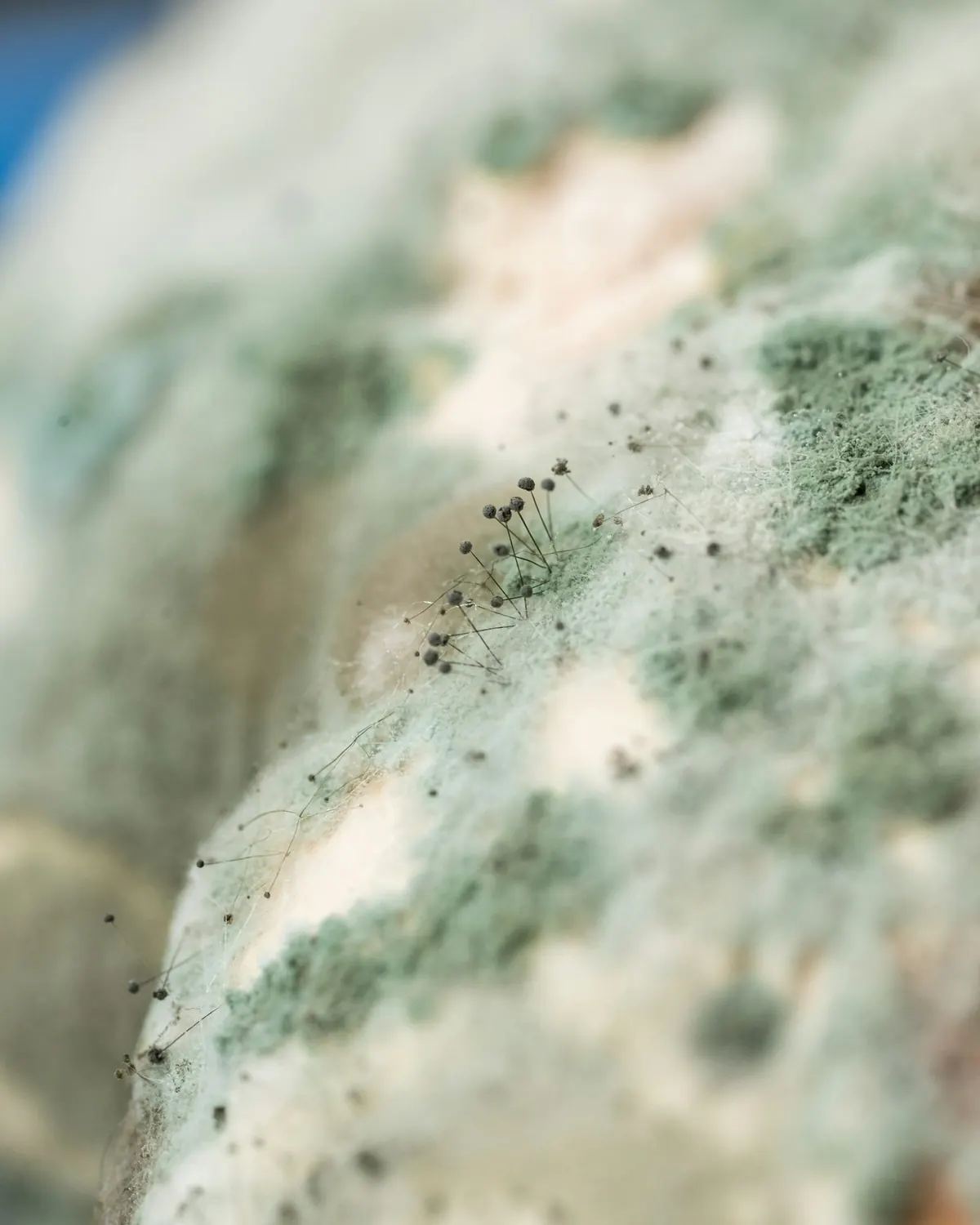
For Diamond Lake: Floor and Subfloor Mold Removal Services
Cleanup addresses your underlayment and carpet along with accessible joists and wood panels. Sound surfaces undergo cleaning followed by drying. Damaged floor layers come out within containment.
Mold under flooring can reach a plywood subfloor or OSB subfloor while the finish looks intact. Your assessment checks access from the room, basement or crawl space.
Your written work scope sets boundaries for removal and identifies moisture correction. Before cleanup starts, replacement of the subfloor and flooring is listed separately from joist repairs.
- Disposal of padding with carpet mold removal
- Mold under hardwood floors assessed
- Laminate layers examined alongside vinyl plank flooring
- Accessible panel and joist cleaning
- Contained debris removal and HEPA filtration
- Moisture readings before floor repairs
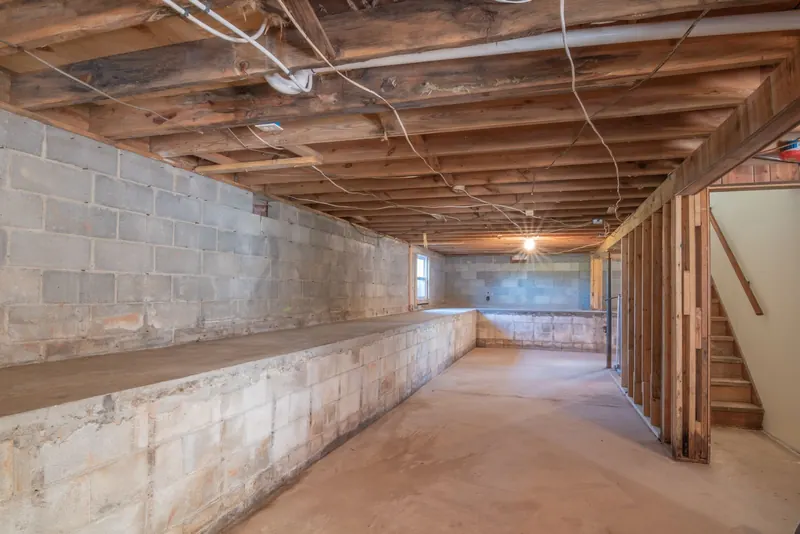
Signs You Need Floor Mold Cleanup in Diamond Lake
Visible mold, returning odor or damaged floor edges call for assessment. Moisture damage alone does not confirm hidden growth.
Mold Under Vinyl Flooring
You see patches on moist backing or underlayment beneath raised edges.
Mold in Carpet Following a Leak
You smell mustiness or see growth in your carpet after leakage.
Mold Under Laminate Flooring
Swollen planks or exposed growth reveal damp layers beneath your floor.
Musty Smell Below Flooring
Odor returns near floor edges after surface cleaning.
Floor Cupping and Water Stains
Your raised floor edges and stains could reflect mold in hardwood floors or just moisture damage.
Visible Growth on Floor Joists
Assessing moisture and wood is needed for patches under your room.
Subfloor Mold Remediation for Your Greater Minneapolis Property
Assessment of moisture comes first for your job; contained cleanup precedes the closing checks.
Floor Assessment
Your floor's damp areas are charted using a moisture meter. A thermal imaging camera can reveal temperature differences but does not identify mold.
Moisture Source and Floor Scope
Slab moisture, leakage and underfloor dampness are evaluated at your property. Plans for source repairs and removal boundaries precede opening any layers.
Containment Before Flooring Removal
Poly sheeting makes the containment barrier. Protective equipment helps limit spreading particles alongside a HEPA air scrubber and negative air pressure.
Damaged Floor Layers Removed
Moldy carpet padding is taken out as needed, as are damaged unsound panels and swollen underlayment. Debris is bagged inside containment.
Retained Surfaces Cleaned
Retained surfaces, including sound joists and panels that can be reached, receive physical cleaning and a HEPA vacuum to remove mold on surfaces.
Subfloor Drying
A dehumidifier and air movers support drying after cleaning. Retained wood and uncovered layers are tracked using moisture readings.
Post-Remediation Verification
Checks cover dryness, cleaning and the agreed criteria for completion. If required by the scope, clearance testing occurs under containment and is conducted by an independent assessor.
Containment Removed After Checks
Dismantling barriers waits until verification. Your selected flooring's moisture requirements and cleanup checks come before replacement of materials.
Why Consider Minneapolis Mold Removal Services for Floor and Subfloor Mold Removal
Removal Through Final Checks
Your retained floor structure is cleaned, dried and checked before containment comes down.
Calls Answered 24/7
One number serves the whole metro for starting your floor assessment, whether daytime or nighttime.
Clear Floor Cleanup Scope
Cleaning, removal and rebuilding have separate places in your scope before the job begins.
Contained Work and HEPA Filtration
Containment surrounds floor-layer openings, with HEPA filtration sized to suit your work area.
Floor Moisture First
Floor removal boundaries are determined only after tracing hidden moisture and leakage.
Preparing for Floor Mold Cleanup in Hennepin County
Keep affected flooring undisturbed and call to arrange your assessment.
- Avoid unstable flooring. Keep off areas that sag or feel soft.
- Stop active water safely. Only stop the leak if doing so keeps you clear of wet electrical equipment.
- Leave floor layers in place. Avoid starting any sanding, tear out or dry brushing.
- Limit access. Affected flooring must stay off limits to people and pets.
- Avoid blowing on growth. Never run potentially contaminated HVAC equipment or blow fans directly onto mold.
Your Diamond Lake Floor and Subfloor Cleanup Cost
Pricing depends on access to your floor and its layers. The ranges shown are published costs for associated repairs, not mold cleanup prices, so avoid adding them into your removal total.
Flooring repair after mold, related cost
$200 to $550 per jobSource: Servpro, Mold Remediation Cost (checked 2026-10-23)After Mold: Related Carpet Replacement or Repair Cost
$775 to $2,600 per jobSource: Servpro, Mold Remediation Cost (checked 2026-10-23)Related Cost: Hardwood Restoration During Water Damage Work
$10 to $15 for each square footSource: Fixr, Water Damage Restoration Cost (checked 2026-10-23)What Changes Subfloor Mold Removal Cost in Diamond Lake
- Leak repair and flooring replacement
- Containment and drying equipment
- Access beneath cabinets or partitions
- Depth of growth and removal limits
- Affected flooring layers plus square footage
Related Floor Repair Prices
These published national ranges are planning figures. Your on-site assessment defines the work and price before cleanup starts, including any separate source repairs or rebuilding.
Call (844) 352-3560 about costFloor and Subfloor Mold Removal Service Area Across Greater Minneapolis
Call (844) 352-3560 to arrange cleanup in Diamond Lake or nearby communities. One number covers the metro.
Floor and Subfloor Mold Removal in Locations Near Diamond Lake
ZIP codes
Common Questions About Floor and Subfloor Mold Removal in Diamond Lake
Do all the layers beneath your floor need removal?
Removal is guided by damaged areas and access required to clean. Sound wood within reach may remain even when moldy carpet and padding or swelling underlayment need to be discarded. Mold in subfloor layers can require openings beyond the visible patch. The scope for your work defines removal limits and retained surfaces, plus structural assessment when needed.
How much will floor mold cleanup cost in Hennepin County?
Pricing reflects concealed floor layers, the area inspected and the work of reaching affected surfaces. The cards list source-based ranges for related flooring repairs rather than quoting your mold cleanup. Costs for containment, removal and drying affect your total, as does rebuilding. Your scope and price are explained before work starts.
Is staying at home possible while your floor is cleaned?
Whether you can remain home depends on the affected area, your layout and essential room and exit access. Access to the work area remains limited throughout cleaning and removal. Planning before the job considers shared ventilation alongside your household's needs. Your ability to occupy the area also depends on openings and unstable flooring pending completion of needed repairs.
How much time should you allow for floor cleanup in Diamond Lake?
Your timeline is established once the flooring has been assessed. Opening glued flooring and replacing damaged panels involve work unlike the removal of carpet and padding. Drying decisions use moisture readings instead of touch. Structural repairs, access below cabinets and replacement finishes influence the timing of your room's reuse.
Will fixing the water issue be included in cleanup?
Assessment of the moisture source and identification of necessary corrections accompany your cleanup scope. Plumbing repairs, slab moisture control or work beneath the floor are included only when specified. Those repairs must be finished ahead of enclosing the affected layers, so an unfixed water issue is not hidden by new flooring.
Is testing needed before or after floor removal?
With visible mold, you often do not need air sampling, according to EPA guidance. Through inspection, moisture and affected materials are identified even in hidden layers reached by making controlled openings. Containment remains until cleaning and drying are followed by the agreed post-remediation checks. Where clearance testing is required in the scope, use an independent assessor. There is no federal limit for mold levels indoors.
Is mold likely to recur beneath your new floor?
Leaving the moisture problem unresolved can let mold return. Your pre-cleanup assessment looks for leaks, underfloor dampness or slab moisture. Retained materials are cleaned and dried before new finishes cover them. Repairing the source fully and using suitable moisture control help prevent repeat damp conditions.
Your Minnesota Floor Mold Cleanup Insurance Questions
Your deductible, mold coverage limits, exclusions and water source determine coverage. Decisions can differ for rebuilding, cleanup and repair of the leak.
Floor Mold Cleanup Safety for Your Greater Minneapolis Property
Mold spores spread less during your flooring removal when containment and controlled openings are used.
Hidden Floor Layers
Growth may extend beneath cabinets or into neighboring rooms.
Sensitive Occupants
CDC notes that mold can trigger allergy and asthma symptoms in some people.
Floor Stability
You need the structure assessed before returning to an area with sagging or softened flooring.
Mold Color
CDC explains that color alone tells you nothing about a mold's risk.
Cleanup scope: EPA says areas under about 10 square feet can often be homeowner-cleaned. Hidden layers can conceal the total area. You need a professional for larger areas or HVAC systems and for mold from sewage or contaminated water.
Hennepin County Floor Materials for Cleaning or Removal
Sound surfaces may remain; damaged porous materials may need removal.
Retained Floor Structure
- Sound joists, along with wood panels within reach, can be cleaned and dried as condition allows.
Damaged Floor Coverings
- Unsound underlayment and swollen laminate are removed when needed, along with moldy carpet, padding.
Tile and Finish Repairs
- Cleaning is possible for a sound tile floor surface; the concealed backing and subfloor each need condition assessment.
Floor Cleanup Timing in Hennepin County
Access to your floor, drying and repairs following cleanup determine timing.
- Floor Access: Multiple underlayment layers, glued finishes and cabinetry increase the removal work.
- Drying Progress: Moisture readings establish whether materials kept in place can proceed to the next stage.
- Room Reopening: Final checks and structural or finish repairs affect when your floor returns to use.
Understanding Floor Odor Alongside Humidity in Diamond Lake
Assessment looks for the source of your musty odor. Scent applied on top cannot remove affected material hidden below the flooring finish.
Keep your indoor relative humidity below 60 percent under EPA guidance; the ideal band is 30 to 50 percent. That room reading alone does not verify dryness in concealed floor layers.
Requirements for Floor Cleanup in Minnesota
Structural Floor Work
The Minnesota Department of Health says neither the state of Minnesota nor any federal agency licenses or certifies mold investigators or remediators. If you are hiring someone, ask about their training and experience, and check your local contractor rules.
Prompt Drying
EPA advises you to prevent mold growth by drying areas and items damaged by water within 24 to 48 hours.
Rental Floor Damage
The Minnesota Department of Health says landlords are generally responsible for controlling moisture and removing mold unless the tenant caused it, and it does not inspect rentals. Renters can ask local building, housing, or health inspectors for help.
State Mold Information
The Minnesota Department of Health, Environmental Health Division, Indoor Air Unit offers phone and email advice on mold at 651-201-4601. It does not offer inspection or testing services.
State guidance: Minnesota Department of Health: Mold in homes; Minnesota Revisor of Statutes: 513.55 Disclosure
Related Services and Next Steps
Start Your Floor and Subfloor Mold Removal in Diamond Lake
Call 24/7 to arrange your assessment. Your cleanup starts with the affected surfaces, moisture source and access to your home.